

Our care
Cardiology services in Ozone Park, Queens.
Explore our testing, monitoring, and therapy services. Each guide explains what the service involves and how to prepare for your visit.
Find the service you need.
13 service guidesIllustrative previews introduce each service. Your equipment and testing plan may differ.
Heart imaging & stress testing
3 services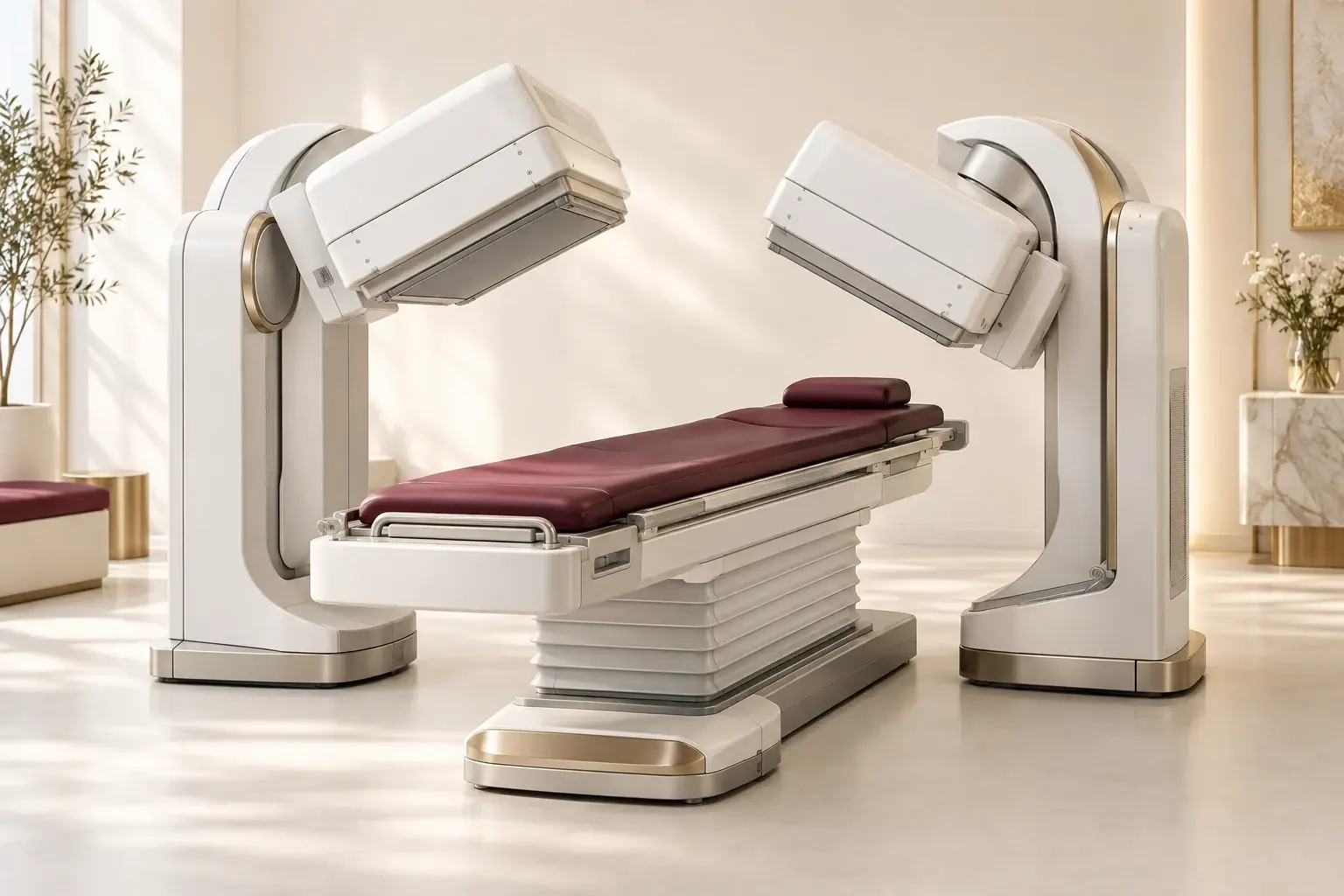
Nuclear Stress Test
Images taken at rest and during stress help your cardiologist assess blood flow to the heart muscle. The test combines a small amount of radioactive tracer with a special camera.
About this service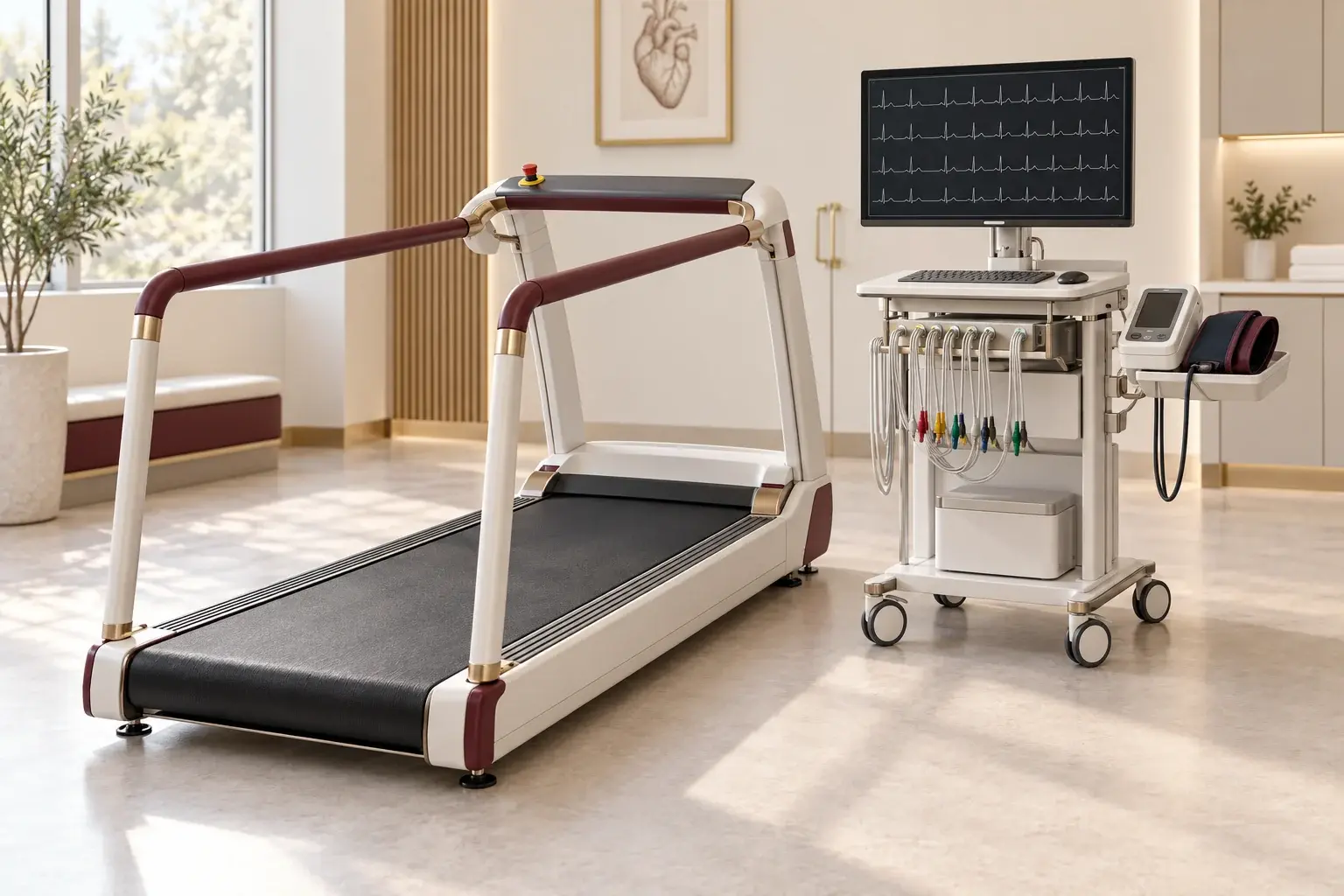
Treadmill Stress Test
A supervised treadmill test records your heart’s electrical activity, heart rate, and blood pressure as you exercise. These measurements help your cardiologist understand how your heart responds to physical activity.
About this service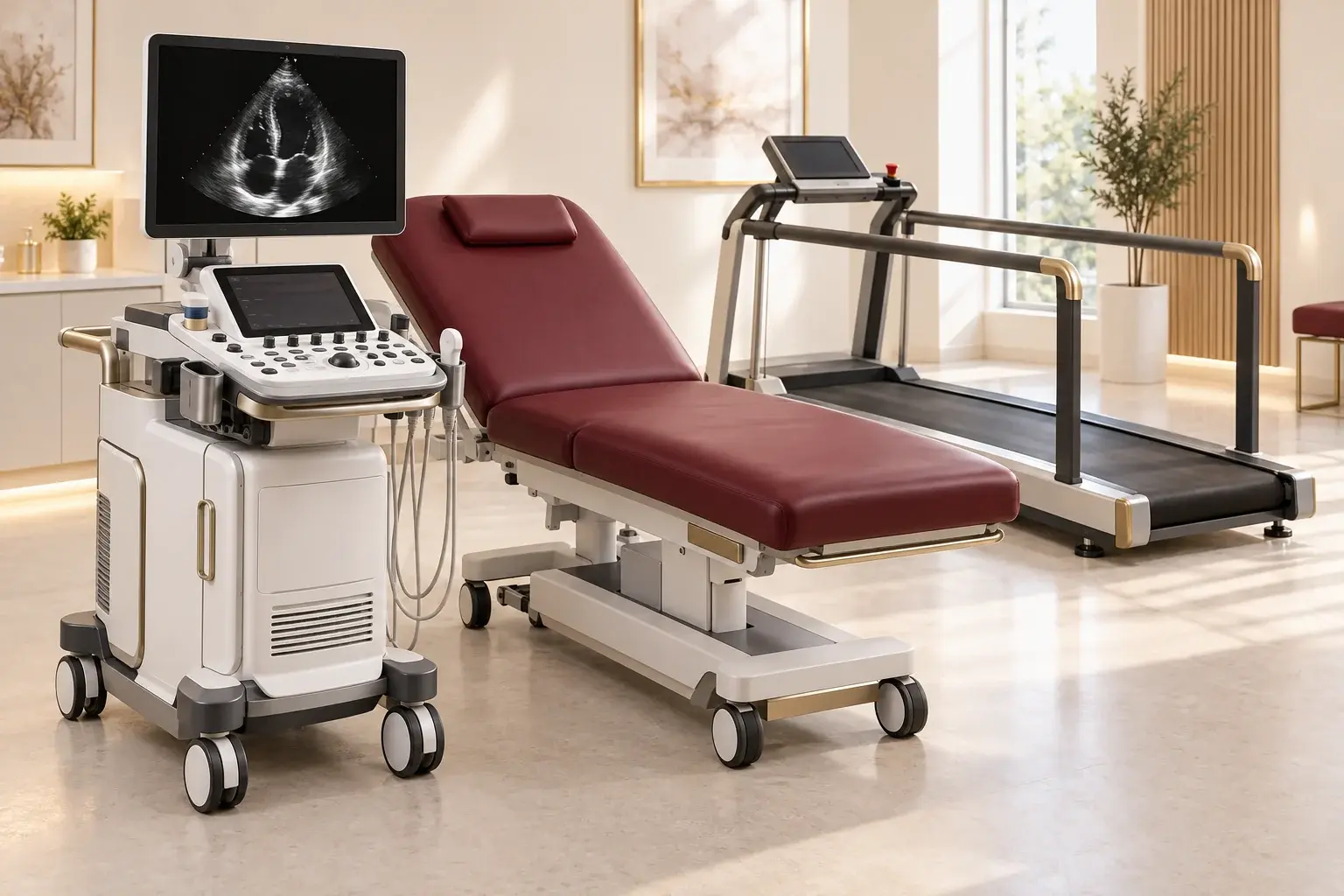
Stress Echo
Ultrasound pictures taken before and after stress show how the heart muscle moves and pumps. Your cardiologist compares the images to help evaluate how your heart responds when working harder.
About this service
Ultrasound & circulation
3 services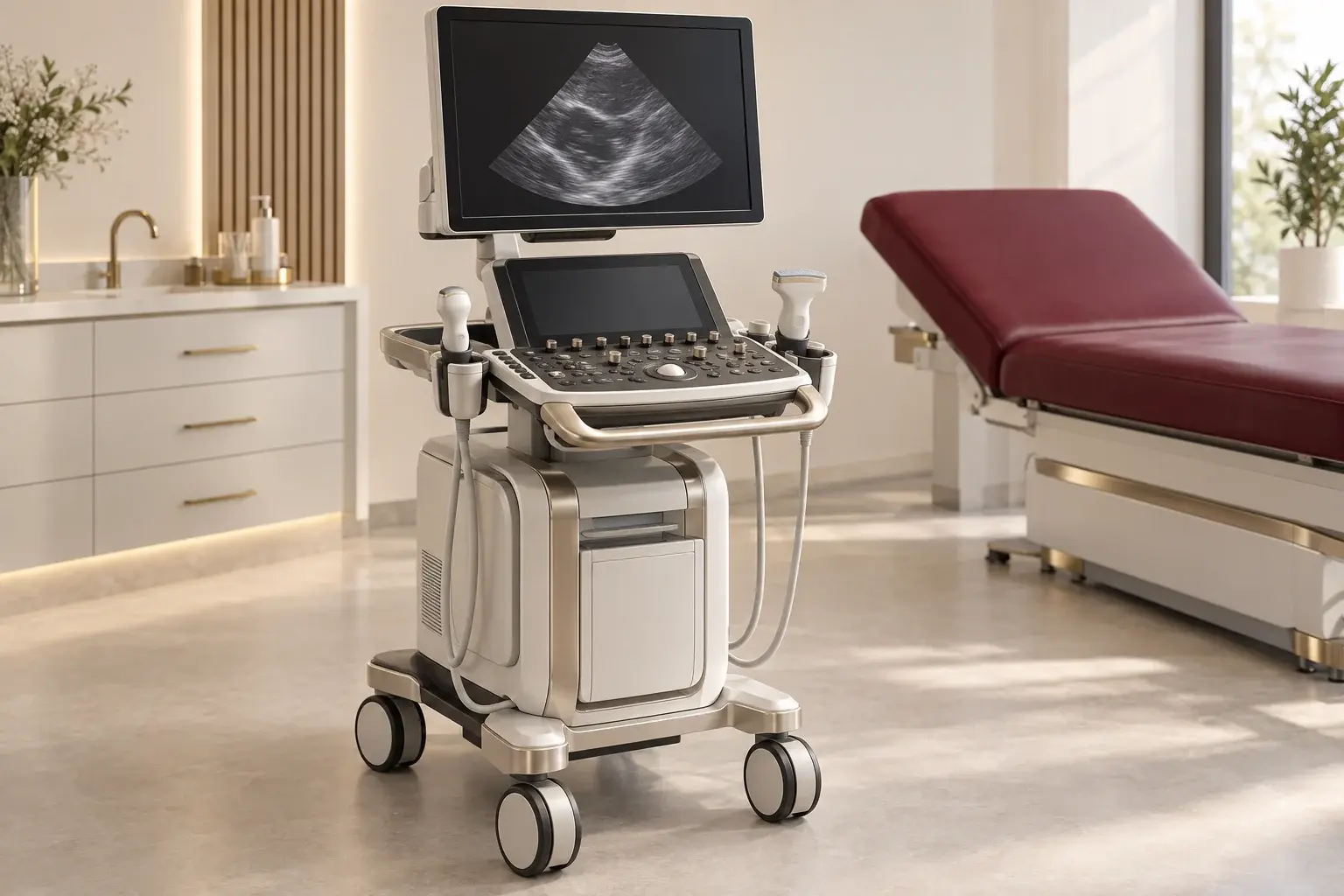
Heart & Vascular Ultrasound
Ultrasound uses sound waves to examine the heart or blood vessels. Echocardiogram, carotid, and arterial studies answer different questions, so your cardiologist selects the examination that fits your symptoms and history.
About this service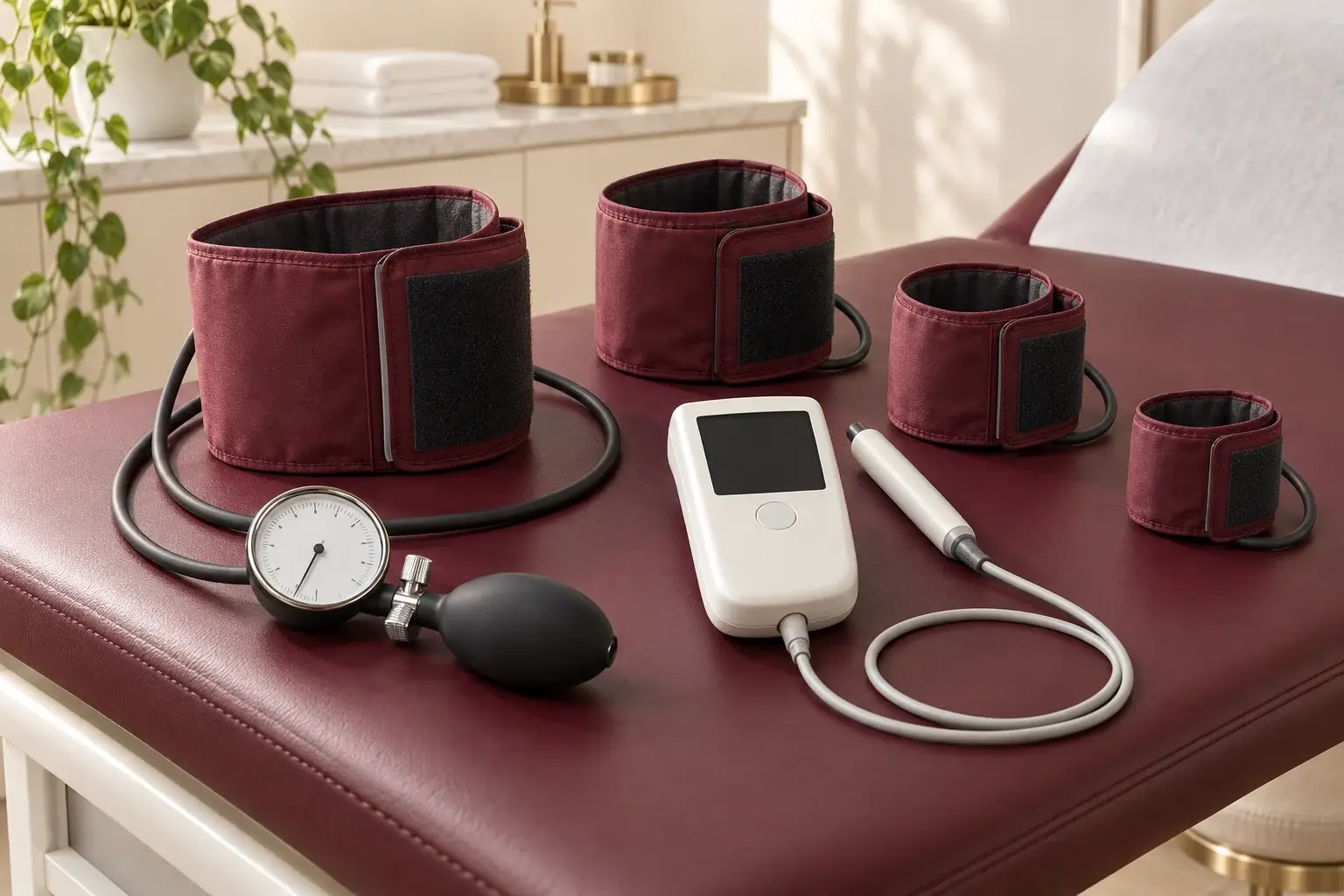
Ankle-Brachial Index
Blood pressure measurements at the ankles and arms are compared to help assess circulation in the legs. Your clinician considers the result alongside symptoms and other findings when evaluating peripheral artery disease.
About this service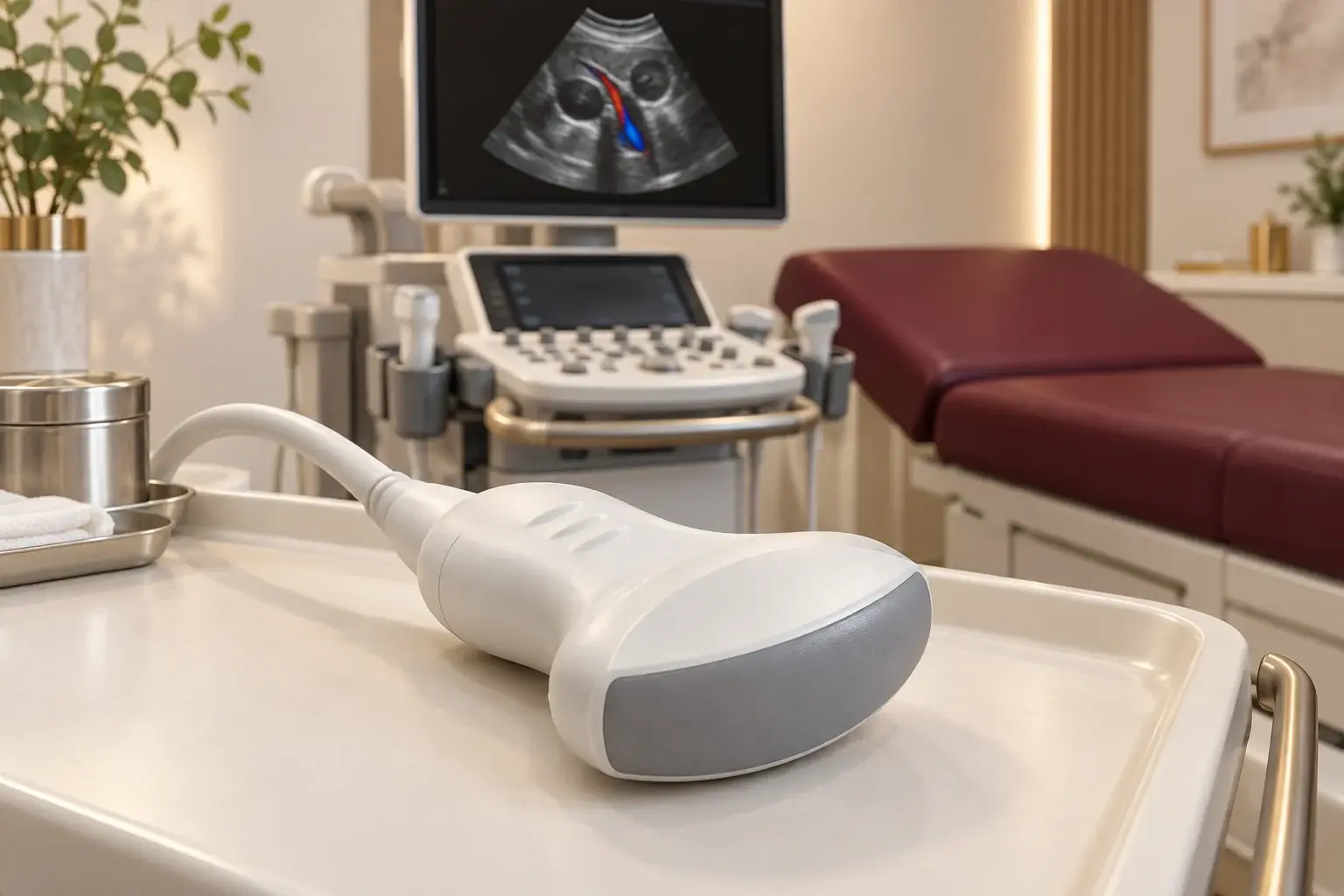
Abdominal Aortic Doppler
Ultrasound examines the abdominal aorta, the major artery running through the abdomen. Doppler measurements add information about blood flow and can support evaluation or monitoring of enlargement in this artery.
About this service
Treatment & follow-up
2 services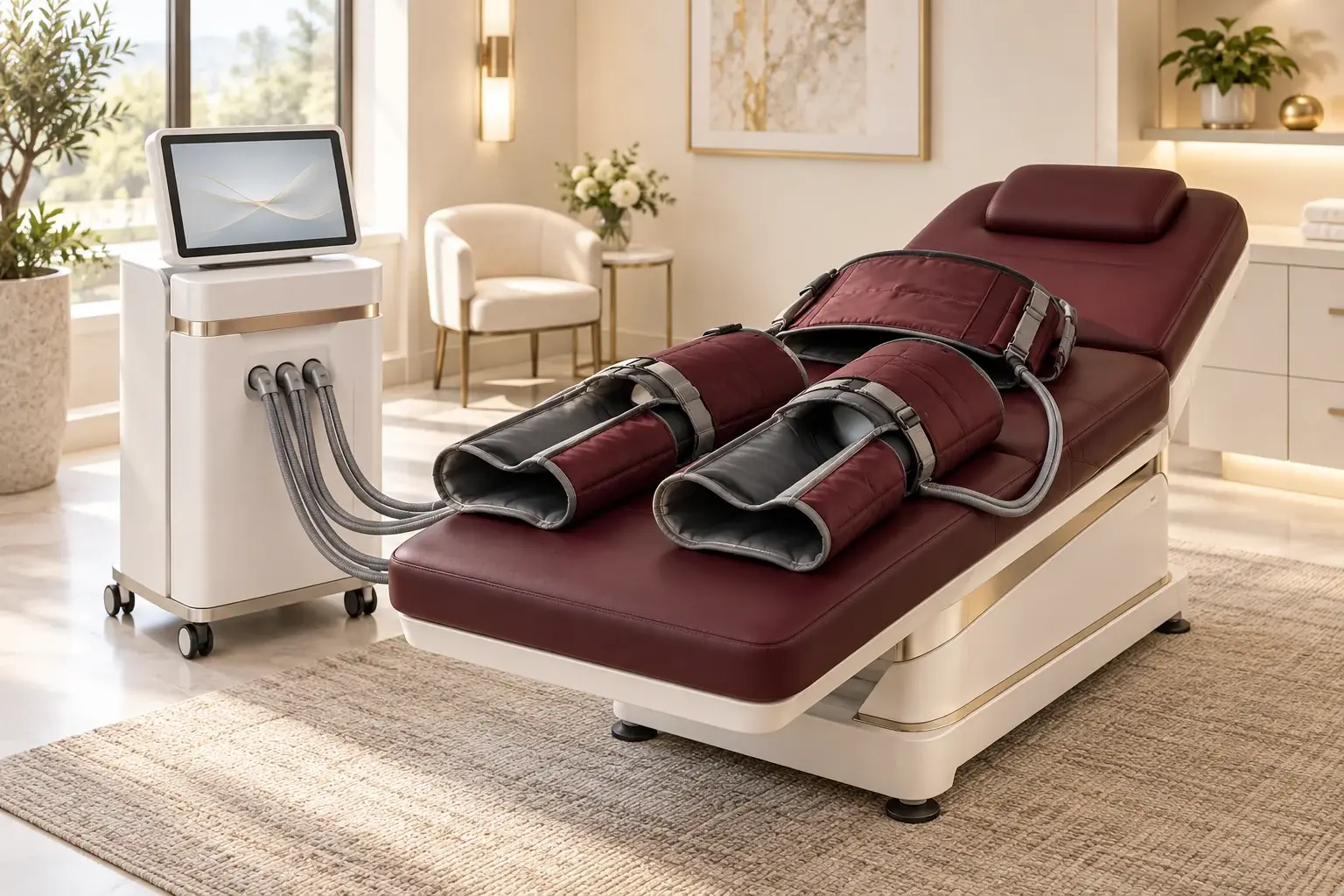
External Counterpulsation (EECP)
EECP uses inflatable leg cuffs timed to the heartbeat as a noninvasive treatment option for selected patients. Your cardiologist assesses suitability and discusses the potential benefits, limitations, and treatment plan.
About this service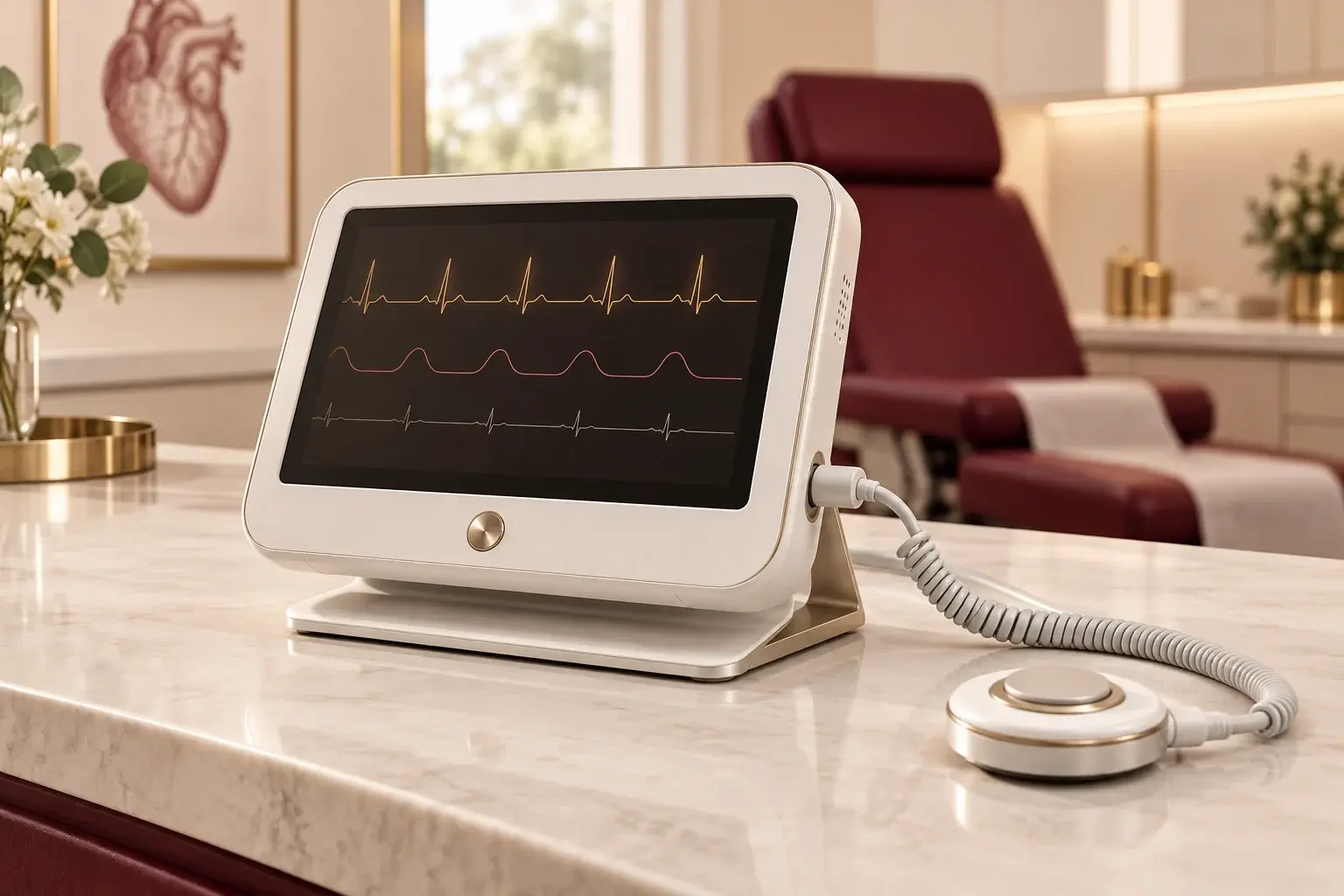
Pacemaker Check
A pacemaker check retrieves information about an implanted device’s battery, settings, and recorded activity. Your clinician reviews this information to assess device function and determine whether follow-up or adjustments are needed.
About this service
Heart rhythm & monitoring
3 services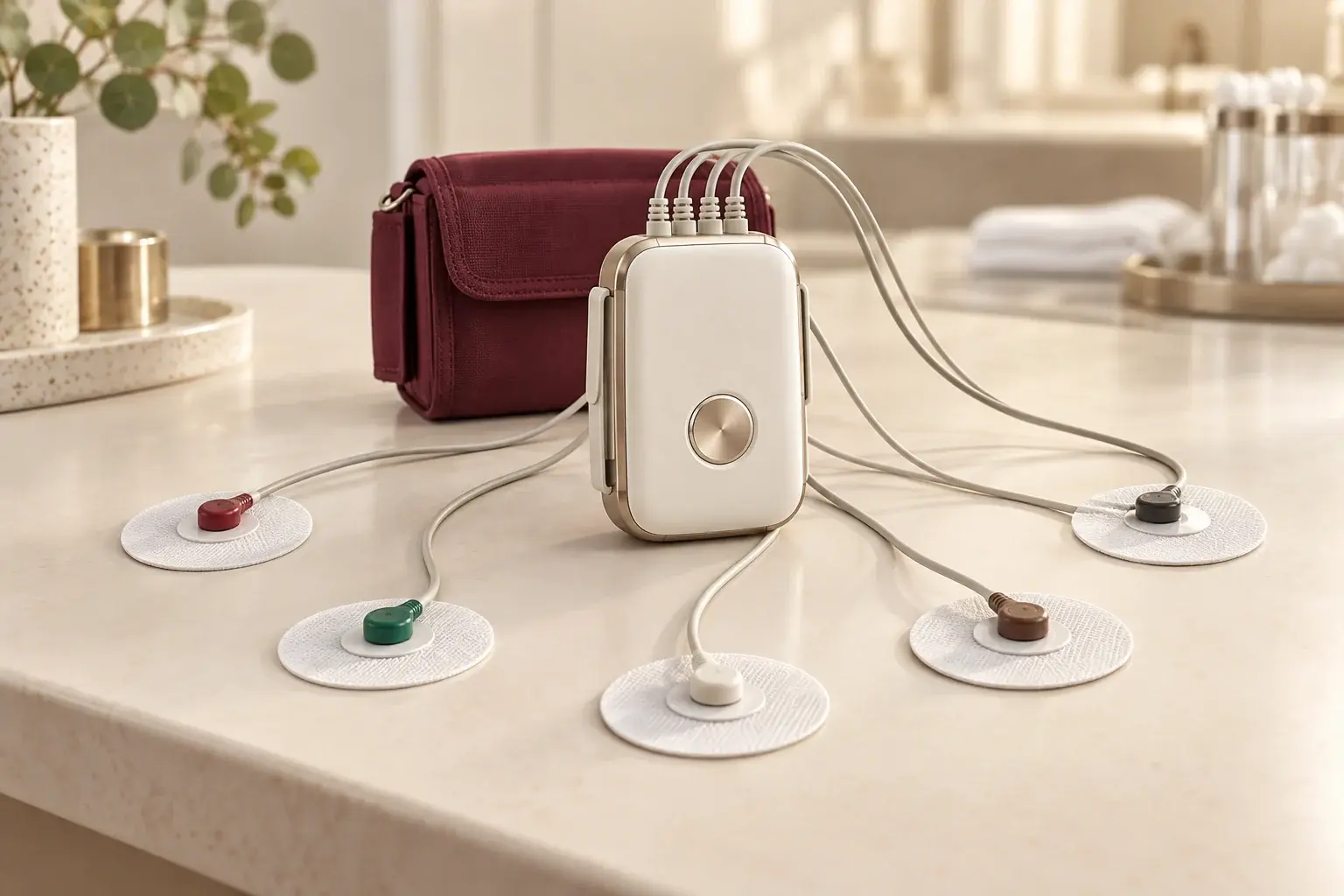
Holter Monitor
A small wearable recorder tracks your heart’s electrical activity during everyday life. It can help your cardiologist investigate intermittent rhythm symptoms that may not appear during a brief office EKG.
About this service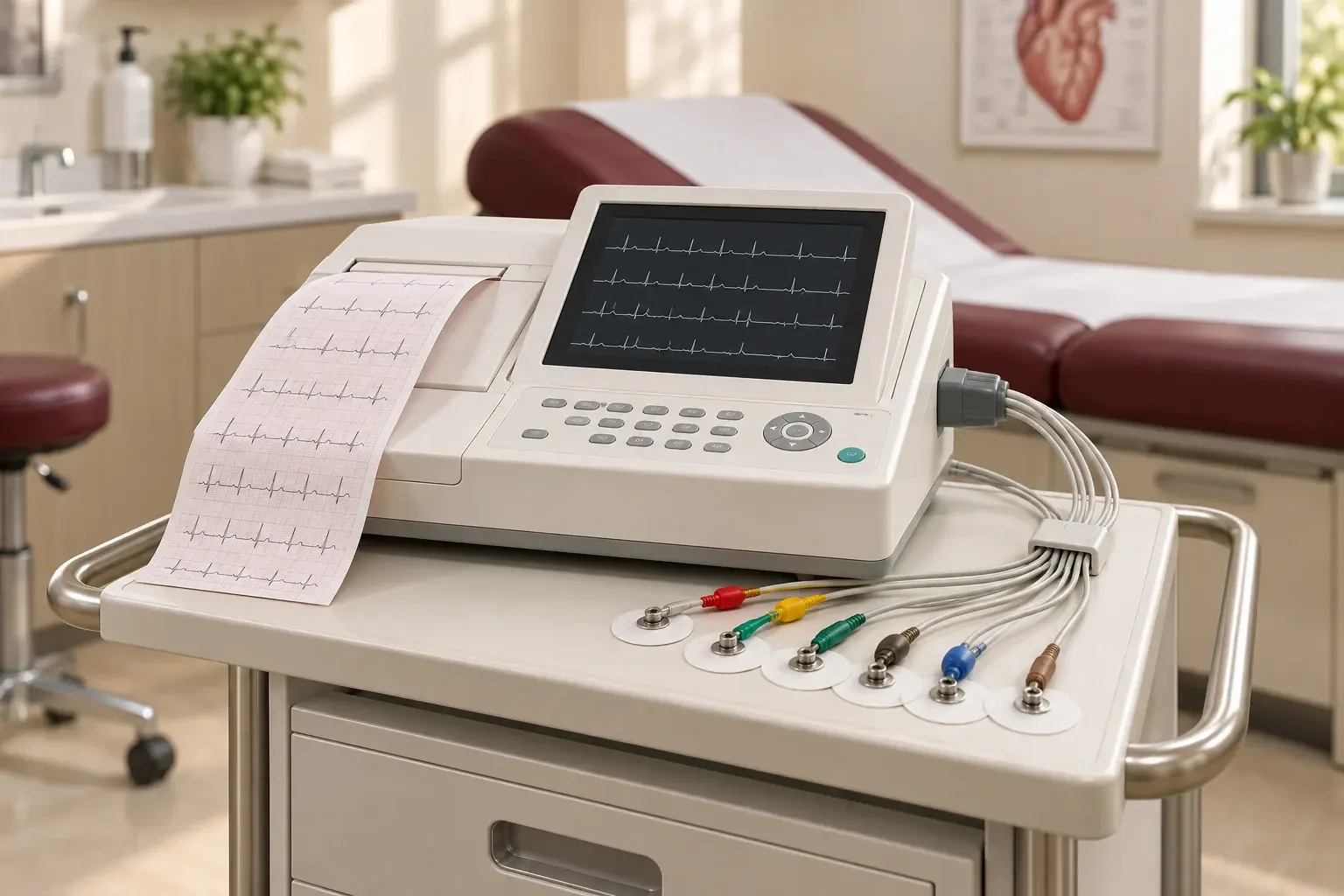
Electrocardiogram (EKG)
Small sensors placed on the skin record the heart’s electrical activity. An EKG gives your clinician a snapshot of heart rate and rhythm to interpret together with symptoms and medical history.
About this service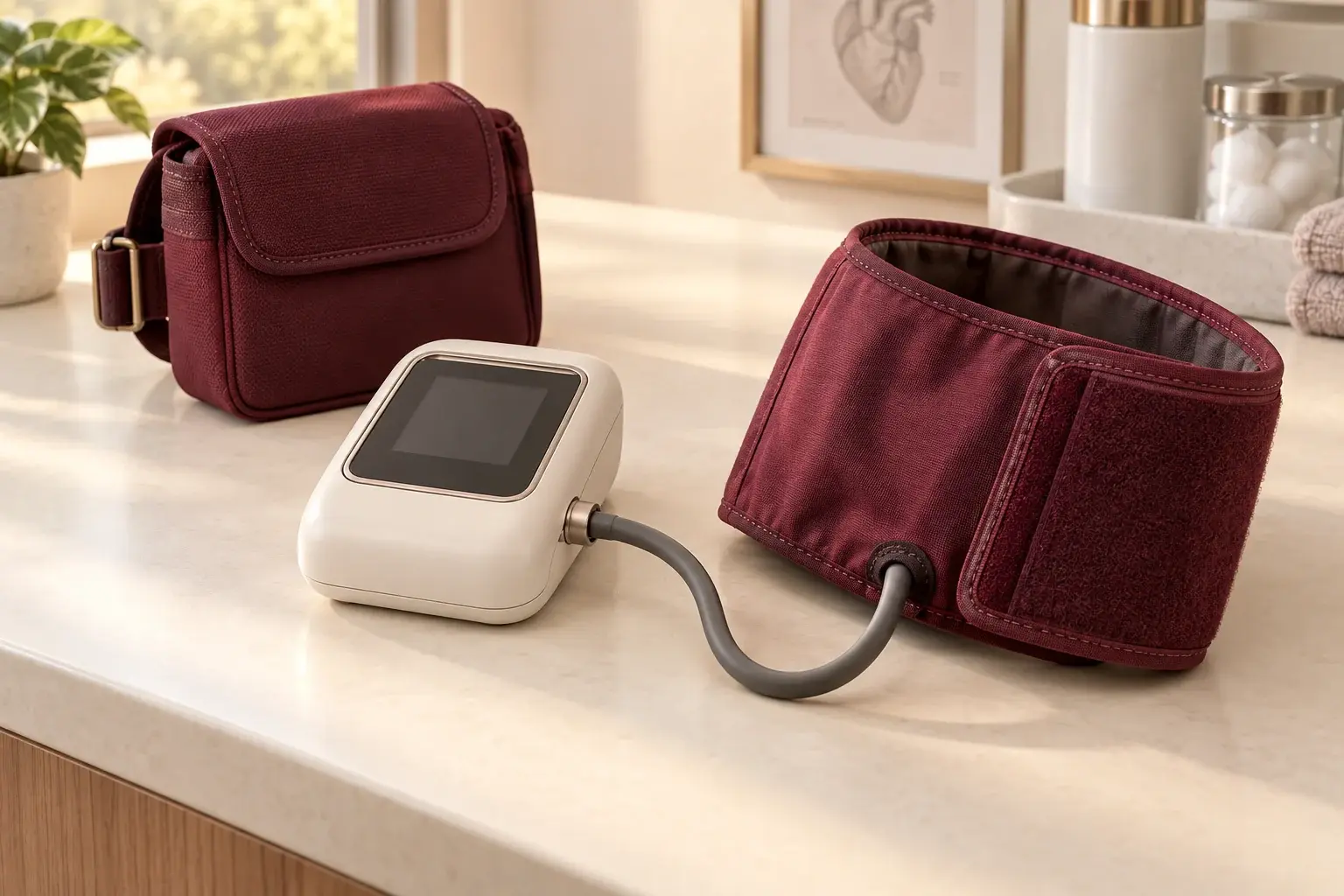
Blood Pressure Monitor
Blood pressure measurements help your clinician evaluate and follow changes in circulation over time. The office can explain the monitoring approach recommended for you and how readings will guide your care.
About this service
Sleep & autonomic health
2 services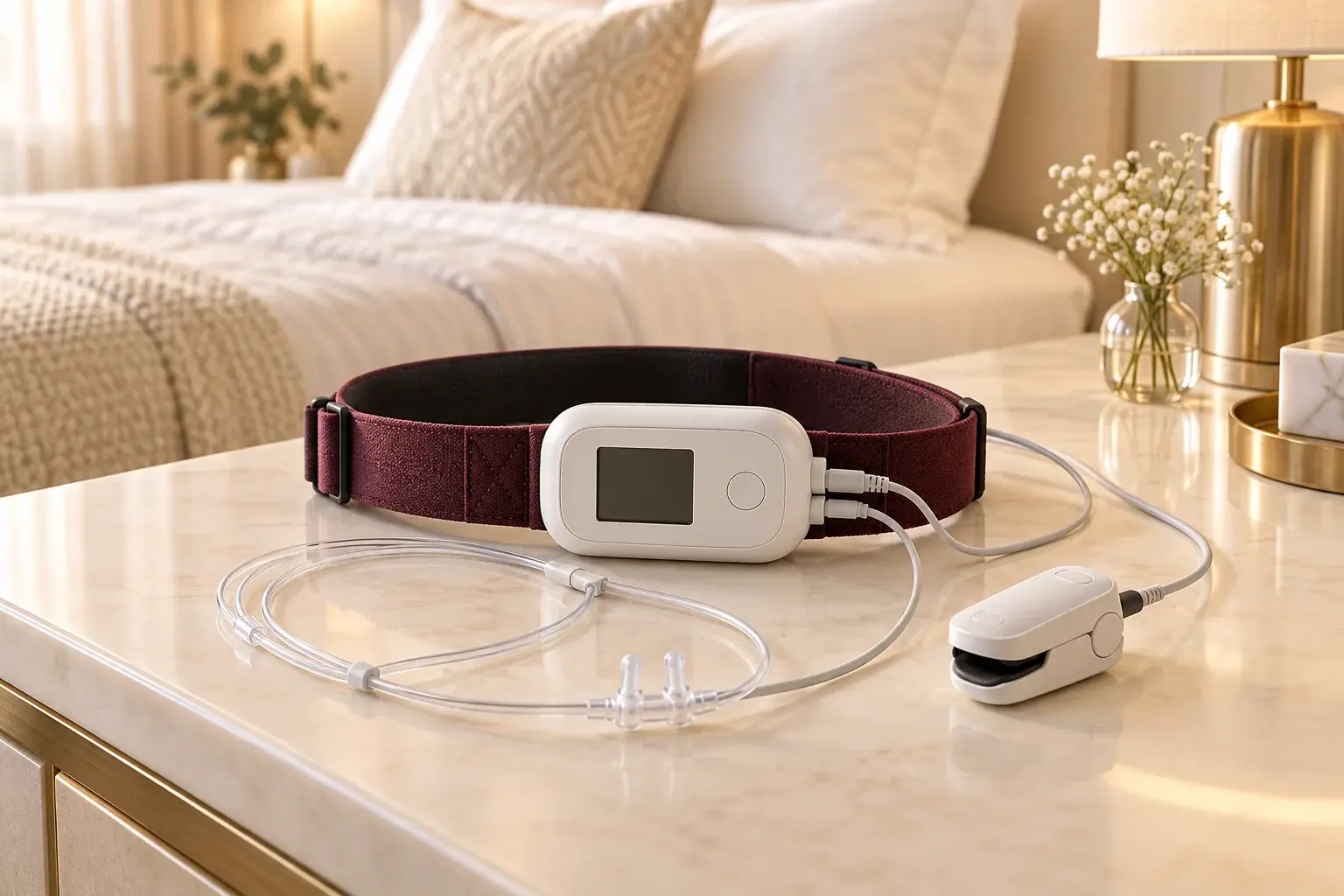
Sleep Apnea
Repeated pauses in breathing during sleep can affect rest and cardiovascular health. Discuss snoring, witnessed breathing pauses, or daytime sleepiness with your clinician to determine whether further sleep evaluation is appropriate.
About this service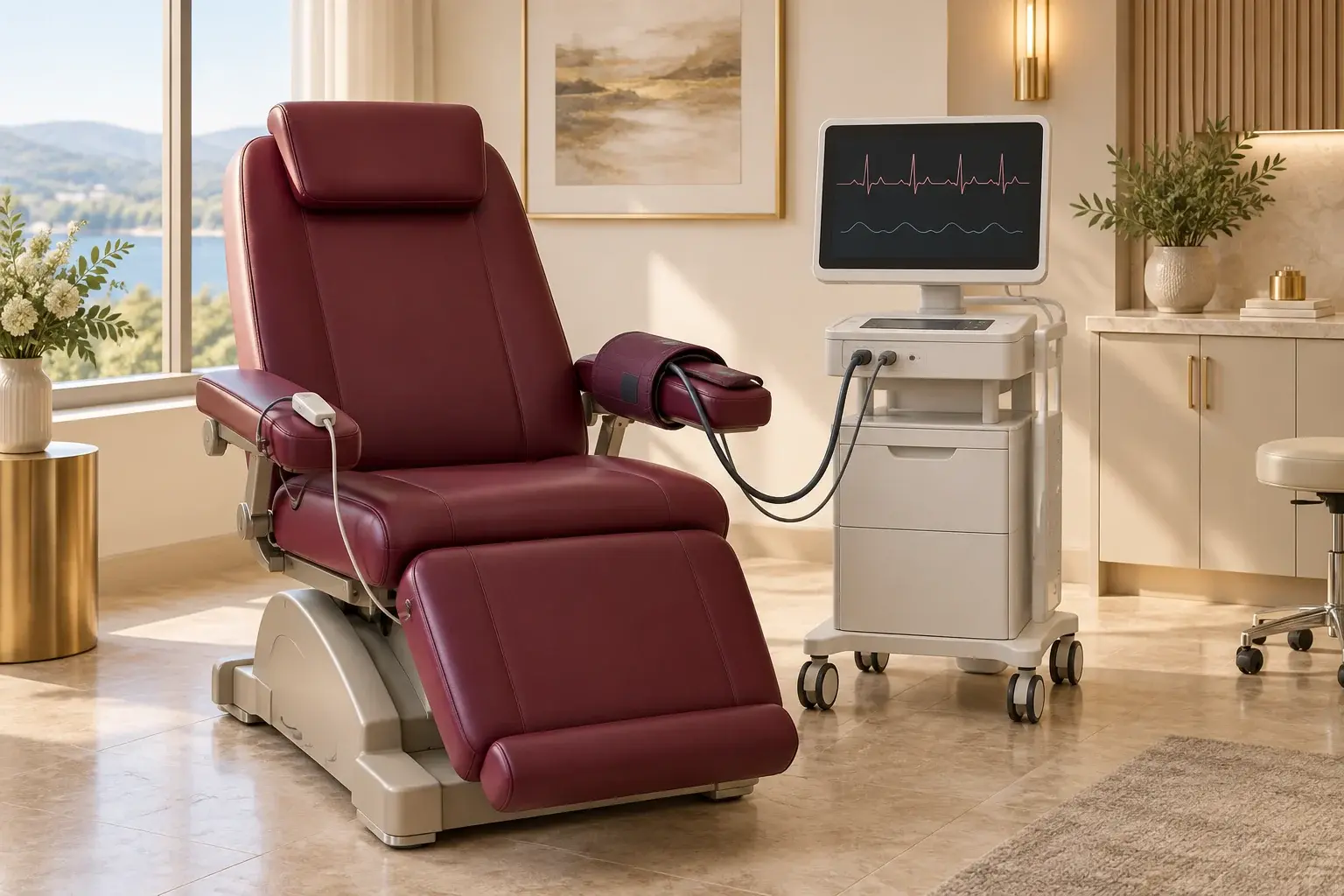
Autonomic Nervous System Testing
Autonomic testing examines how the nerves that regulate automatic body functions respond to selected tasks. Heart rate and blood pressure responses may help your clinician investigate symptoms such as dizziness or fainting.
About this service
A question is a good
place to start.
Our team can help with scheduling, visit instructions, and insurance questions.
Insurance and coverage