

Published by Advanced Cardiac Care PLLC
Updated
About this service
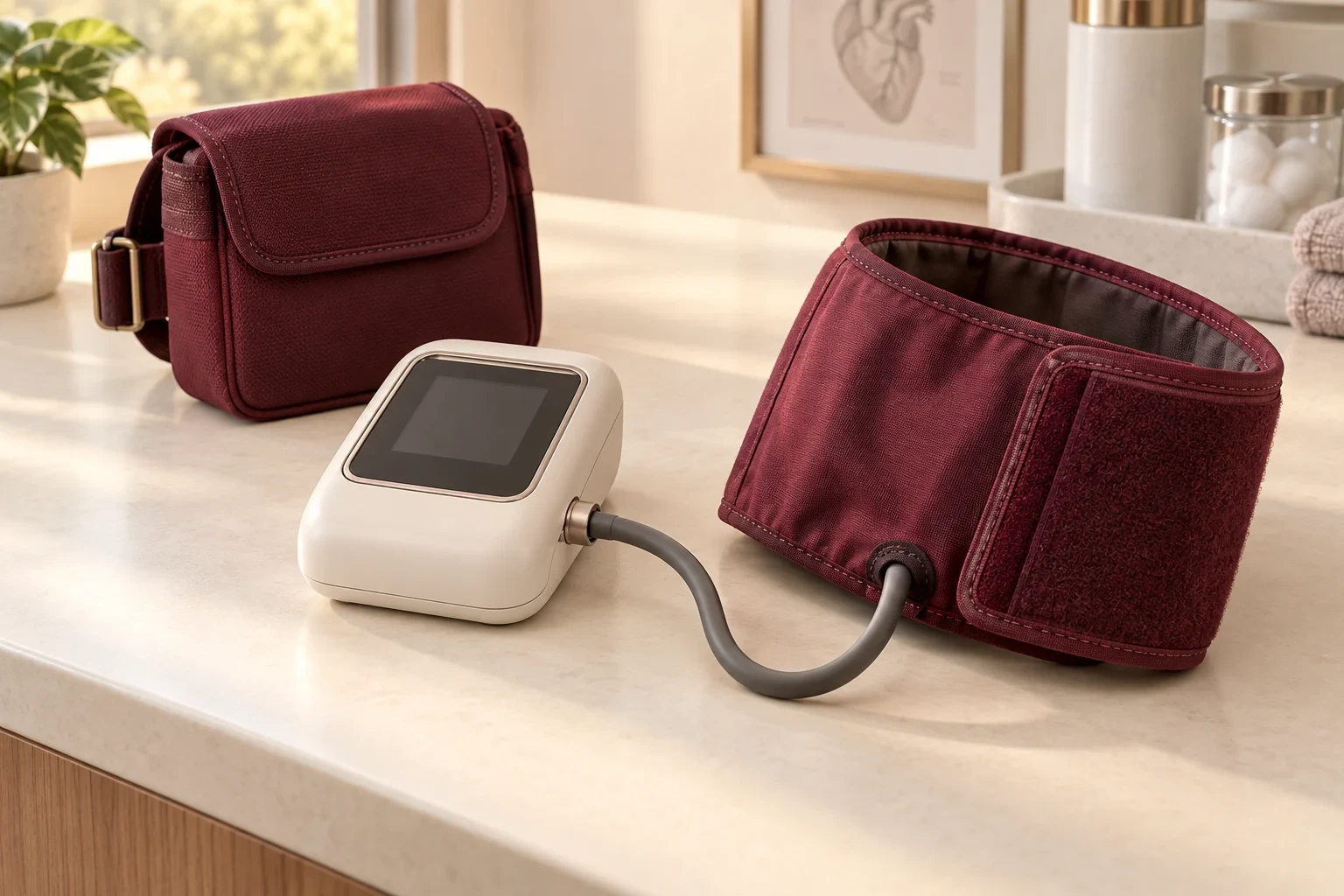
Blood pressure monitoring measures the pressure of blood against artery walls using an inflatable cuff. The readings provide information about pressure when the heart contracts and relaxes. A series of measurements can help your clinician assess patterns and follow the effect of treatment. The appropriate monitoring method depends on your situation. Ask the office whether your plan involves office measurements or another approach, how to record readings, and when they will be reviewed.
What to expect
Review your monitoring plan and cuff use with the team.
Take or receive measurements as instructed.
Share the readings and discuss the recommended follow-up.
Before your visit
Confirm the monitoring method and any appointment instructions with the office. Bring your medication list and previous readings, if available. Ask whether to bring your home monitor for comparison; do not adjust medicines yourself.
Your first-visit checklist