

Published by Advanced Cardiac Care PLLC
Updated
About this service
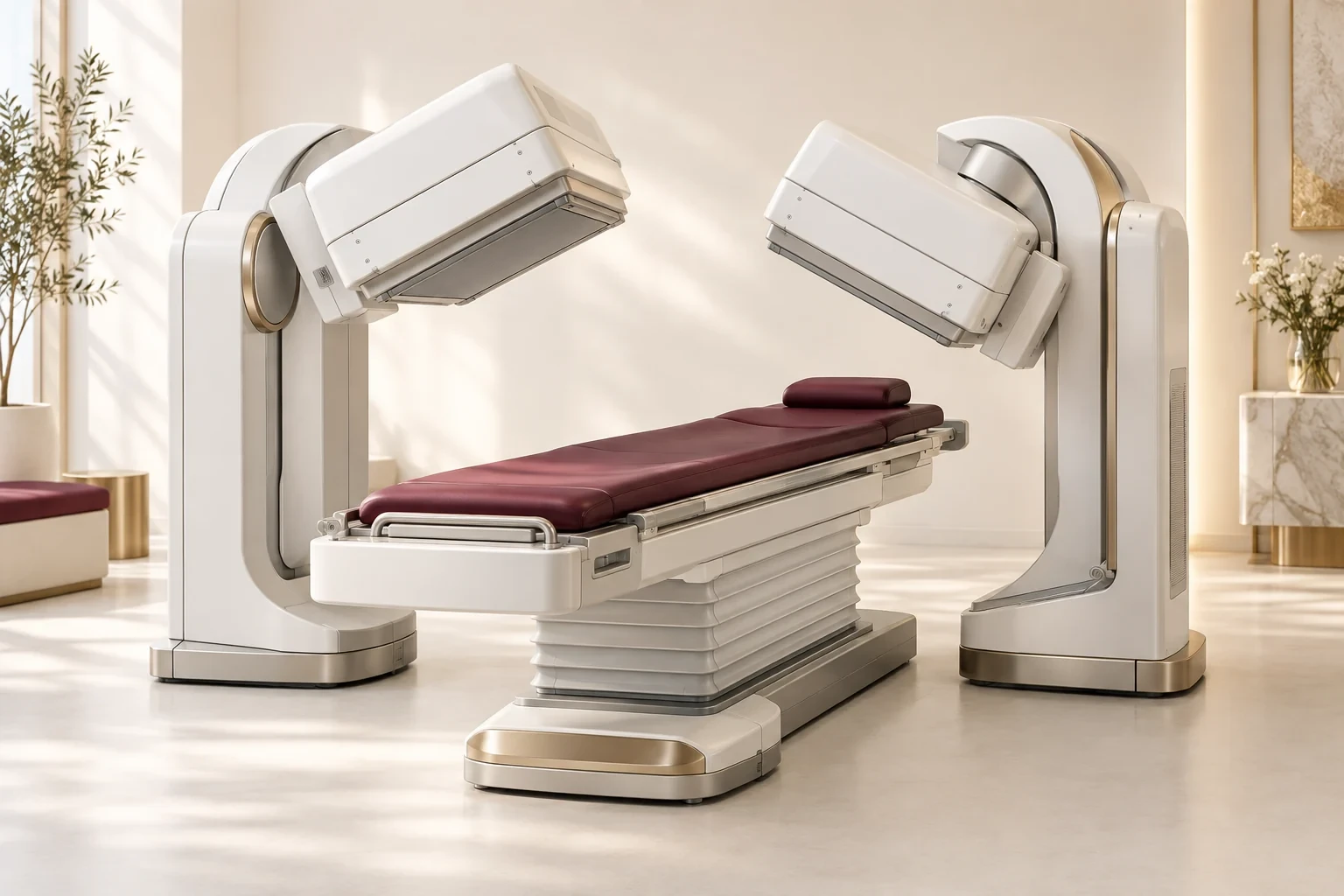
A nuclear stress test compares blood flow to your heart muscle at rest and when your heart is working harder. A small amount of radioactive tracer allows a special camera to record images. Depending on your medical history and ability to exercise, stress may involve a treadmill or medication selected by the clinician. Your cardiologist reviews the images alongside your symptoms, history, and other findings to explain what they mean for your care.
What to expect
Review your health history and test plan.
Have monitored stress testing and heart imaging.
Discuss the results and recommended next steps.
Before your visit
Call the office for your specific food, drink, caffeine, and medication instructions. Tell the team about pregnancy, breastfeeding, allergies, and any difficulty exercising. Do not change medicines without your clinician’s advice.
Your first-visit checklist